Nose Patches and Post-Surgery Care: A Comprehensive Guide
Post-surgery care for the nose, especially after cosmetic or reconstructive nasal procedures, is crucial for achieving the best results and ensuring a speedy recovery. One of the effective methods of care is the use of nose patches, which provide support for the nose and promote healing of tissues after surgery. In this article, we will explore the importance of nose patches in the post-surgical period, as well as tips for proper nose care after the procedure.
What Are Nose Patches?
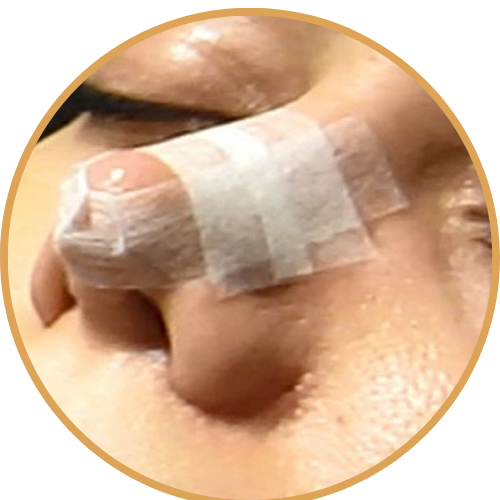
Nose patches are adhesive strips used to provide structural support for the nose after surgery. They help protect the nose from pressure or accidental injuries during the recovery period. These patches are commonly used after rhinoplasty and other nasal procedures, and they help stabilize the nose in place, preventing excessive swelling and ensuring the new shape of the nose is maintained.
Types of Nose Patches Used After Surgery
Post-Operative Nasal Tapes (Post-Op Nasal Tapes)
- These patches are used during the early days after surgery.
- They effectively stabilize the nose, reducing swelling and maintaining the new shape.
- Typically applied across the nose to prevent the movement of modified tissues or bones.
Silicone Nasal Strips
- These are thin, flexible strips made of silicone that offer light support to the nose.
- Usually used after the removal of the nasal splint during the later stages of recovery.
- They help reduce swelling and facilitate easier breathing.
- They can be used daily according to the doctor’s recommendation.
Anti-Swelling Nasal Strips
- These strips are designed with materials that help reduce swelling and alleviate the pressure that may cause pain.
- They are typically used temporarily after surgery during the first few days.
Importance of Nose Patches After Surgery
Controlling Swelling: One of the key benefits is reducing swelling after surgery. Stabilizing the nose in place helps prevent fluid accumulation in the surrounding tissues.
Maintaining Aesthetic Shape: Nose patches assist in preserving the new shape of the nose and minimizing the risk of deformities or unwanted changes during the healing process.
Supporting Bones and Cartilage: In complex reconstructive surgeries or rhinoplasty, the patches provide structural support to the bones and cartilage as they heal.
Improving Breathing: Some types of patches assist in opening the airways, facilitating easier breathing during the recovery period.
How to Use Nose Patches After Surgery
Choosing the Right Type: The type of patch should be selected based on the surgery and the patient’s condition. Your surgeon will give you specific instructions about which patch to use and how to apply it.
Cleaning the Nose Before Use: Before applying any patch, ensure that the nose is clean and dry. It is advisable to use a mild saline solution to gently clean the nose and then dry it with clean tissue.
Proper Placement: The patch should be applied as per the surgeon’s instructions. Typically, it is placed across the nose to cover the surgically altered areas.
Regular Changes: The patches should be changed regularly as advised by the doctor, especially if they lose their adhesive properties or become ineffective. Typically, they are changed every day or two.
Comfort: The patch should be comfortable and should not apply excessive pressure on the nose. If you experience any pain or discomfort, consult your doctor immediately.
Post-Surgical Care for the Nose
After undergoing a rhinoplasty or nasal reconstruction procedure, proper care is essential for complete healing and optimal results. Here are some important tips:
Rest and Avoiding Strenuous Activities
- Avoid activities that could stress or put pressure on the nose, such as sports or heavy lifting, until the doctor approves.
- Rest during the initial days after surgery to accelerate the healing process.
Elevating the Head While Sleeping
- It is important to keep your head elevated while sleeping to reduce swelling. Use special pillows to support your head in a comfortable position.
Avoid Touching or Pressing the Nose
- Refrain from touching or rubbing the nose to prevent any unwanted changes in its shape.
- Do not attempt to remove the splint or patches yourself. Let the doctor do so at the scheduled time.
Avoid Hot Showers or Steam Exposure
- Avoid taking hot showers or prolonged exposure to steam, as this can worsen swelling in the nose.
Use Anti-Swelling and Pain Relief Medications as Recommended
- Your doctor may recommend anti-swelling medications or pain relievers to alleviate post-surgical symptoms.
- Follow the doctor’s instructions regarding medication use strictly.
Monitor for Bleeding or Abnormal Symptoms
- If you notice any persistent bleeding, increased swelling, or severe bruising, contact your doctor immediately.
- It’s important to monitor any changes in the nose during the healing phase.
Avoid Direct Sun Exposure
- Avoid prolonged exposure to direct sunlight during recovery, as this can increase swelling or cause scarring.
Avoid Smoking and Alcohol
- Refrain from smoking and drinking alcohol after the procedure, as they can negatively affect the healing process and increase swelling.
When Should the Patches Be Removed?
The duration of patch usage varies based on the type of surgery and the individual’s condition. In most cases, patches are used during the first few weeks post-surgery, and they are typically removed within 7-10 days after the procedure or as advised by the doctor. After the patches are removed, the doctor may recommend using some cosmetic or preventive strips for a short period.
Conclusion
Nose patches are a critical part of post-surgery care for cosmetic or reconstructive nasal procedures. They provide structural support to the nose and accelerate the healing process. In addition to using nose patches, it is essential to follow the doctor’s care instructions carefully to ensure optimal results. If you have had a rhinoplasty or nasal reconstruction, remember that proper care and continuous follow-up with your doctor are key to achieving great, long-lasting results.