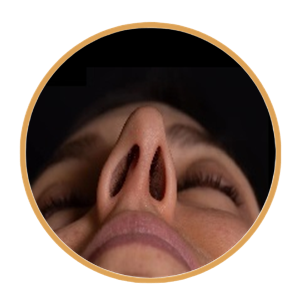
Nasal deviation surgery
A nasal septum surgery, or what is called a nasal deviation surgery, is performed when some symptoms appear, such as: breathing problems, snoring, and the patient’s failure to respond to other treatments. The surgery can also be performed to treat many other problems, such as: chronic sinusitis, bleeding, sleep apnea, and nasal polyps.
Causes of nasal septum deviation
There are many causes of nasal septum deviation, such as the following:
Congenital defect.
Broke in the nose.
Ageing.
Before the surgery
Some tests are performed to determine the severity of the condition, as the passages inside the nose and the shape of the nasal septum are examined. The patient must also inform the doctor of all medications he or she is taking before the nasal deviation surgery.
During the surgery
A nasal deviation surgery is performed with a rhinoplasty, and the patient is completely anesthetized.
To repair the nasal septum, the doctor makes an incision to separate the mucous membrane from the cartilage and bone tissue underneath, then cuts or straightens the curvature of the cartilage and repositions the mucous membrane over the cartilage and bone as before and places internal silicone supports that are removed after a week to ten days after the operation.
After the surgery
The patient can return home immediately after the surgery, and he must follow all necessary instructions and adhere to taking the medications prescribed by the doctor.