
Get rid of lipedema
Getting Rid of Lipedema: Causes, Symptoms, and Treatment
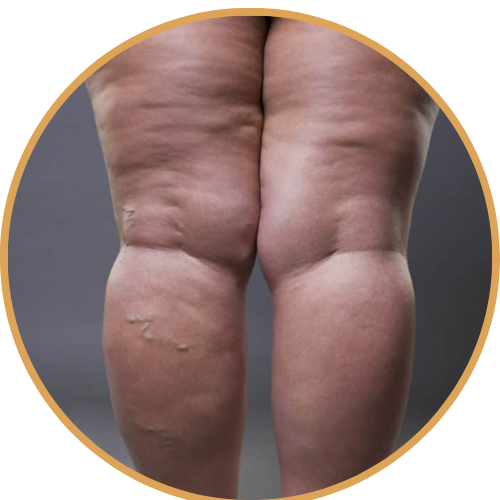
Lipedema is a medical condition that causes abnormal fat accumulation under the skin, typically affecting the lower body, such as the legs and thighs, leading to disproportionate enlargement in these areas. This condition is also known as localized fat or imbalanced fat, and it primarily affects women, especially after puberty or pregnancy.
Lipedema is often underdiagnosed in its early stages, making it crucial to seek specialized medical attention for an accurate diagnosis and effective treatment. In this article, we will discuss the causes, symptoms, and modern treatment methods for lipedema, with a focus on available treatment options such as VASER liposuction.
What is Lipedema?
Lipedema is a condition characterized by the abnormal accumulation of fat, leading to an increase in fatty tissue in specific parts of the body, such as the legs, thighs, and buttocks. This fat accumulation occurs without a significant change in overall body weight. Although it typically affects the lower body, it can also occur in the arms or abdomen.
Lipedema is thought to be strongly related to female hormones, as it primarily affects women and may start to develop during certain life stages, such as puberty, pregnancy, or menopause.
Causes of Lipedema
While the exact cause of lipedema is not fully understood, several factors are believed to contribute to the development of the condition:
Genetic Factors: Genetics plays a major role in lipedema, as it often runs in families. If there is a family history of lipedema, the likelihood of developing the condition is higher.
Hormonal Changes: Hormonal fluctuations are known to play a significant role in the onset of lipedema. These changes occur particularly during puberty, pregnancy, and menopause, during which estrogen and progesterone levels shift.
Circulatory Disorders: Poor circulation may contribute to fat accumulation in specific body areas, leading to an increase in fatty tissue.
Lymphatic Problems: There may be a connection between lipedema and lymphatic disorders, where the lymphatic fluid is unable to drain efficiently, contributing to fat buildup in tissues.
Symptoms of Lipedema
Symptoms of lipedema can vary from person to person, but they typically include:
Disproportionate Enlargement: The accumulation of fatty tissue occurs unevenly in the lower extremities, such as the legs and thighs, leading to a swollen appearance in these areas.
Pain and Swelling: Individuals with lipedema may experience pain or a feeling of pressure in the areas where fat is accumulated. The skin in these regions may become sensitive or painful when touched.
Fatty Skin: The skin in affected areas may become lumpy or have a “fatty” appearance, signaling the beginning of fat accumulation beneath the skin.
Gradual Increase in Size: Over time, the amount of fat accumulated in specific regions may increase, exacerbating the issue.
Altered Body Shape: The body may appear out of proportion, causing aesthetic concerns and emotional discomfort.
Treatment for Lipedema
Although lipedema is a chronic condition that is difficult to treat completely, there are several methods that help reduce fat accumulation, improve the overall appearance, and alleviate symptoms:
- VASER Liposuction
VASER liposuction is one of the most prominent treatment options for lipedema. This technique uses ultrasound waves to break down fat accurately and safely. After the fat is broken down, it is suctioned out from the body, helping to reduce volume and create a more balanced appearance.
Benefits of VASER for Lipedema Treatment:
- High Precision in Fat Removal: VASER can target fat buildup in difficult areas like the legs and thighs.
- Reduced Swelling and Bruising: VASER minimizes damage to blood vessels and nerves, reducing swelling and bruising.
- Balanced Results: VASER helps contour the body and achieve a more proportional shape.
- Short Recovery Time: Compared to traditional liposuction, VASER offers a faster and more comfortable recovery.
- Mesotherapy
Mesotherapy is a non-surgical technique that involves injecting a mixture of vitamins, medications, and substances that help break down fat and stimulate improved circulation. This technique can be used to reduce fat in specific areas like the legs or thighs.
Benefits of Mesotherapy:
- Non-Surgical Treatment: Involves injections of specific substances into the skin to reduce fat effectively.
- Stimulates Circulation: Enhances blood flow and improves skin appearance.
- Short Recovery Time: Patients can return to their daily activities quickly after a session.
- Skin Tightening Techniques (such as J-Plasma)
With fat accumulation, some patients may experience skin sagging in affected areas. Non-surgical skin tightening techniques like J-Plasma are effective treatments to prevent skin laxity. This technique works by improving skin elasticity and reducing sagging by stimulating collagen production.
- Diet and Exercise
Diet: Individuals with lipedema should adopt a balanced diet, focusing on high-fiber foods, lean proteins, and reducing saturated fats.
Exercise: Engaging in endurance exercises and specific lower-body workouts, such as aerobic exercises and yoga, can help improve circulation and reduce fat accumulation.
Conclusion
Lipedema is a common condition that primarily affects women and causes abnormal fat accumulation in certain body areas. While there is no permanent cure for this condition, there are several advanced techniques such as VASER liposuction, mesotherapy, and J-Plasma that can help reduce fat accumulation and improve body shape.
If you are suffering from this condition and are looking for available solutions, it is recommended to consult a specialized cosmetic surgeon, such as Dr. Khaled Birns, who can offer personalized treatment based on your needs, helping you achieve satisfactory and lasting results.